
The first 30 minutes: safety beats everything else
Accidents are disorienting because your brain is doing three jobs at once: checking if everyone is safe, working out whether the car can move, and already worrying about insurance. Slow that down. The first call is safety, not WhatsApp to your insurer.
If anyone is injured, call 995. Turn on hazard lights, use a warning triangle if you have one, and move people away from traffic if you can do it safely. Only then start documenting. A clear head in the first half hour saves days of claim confusion later.
What to photograph before anything gets moved
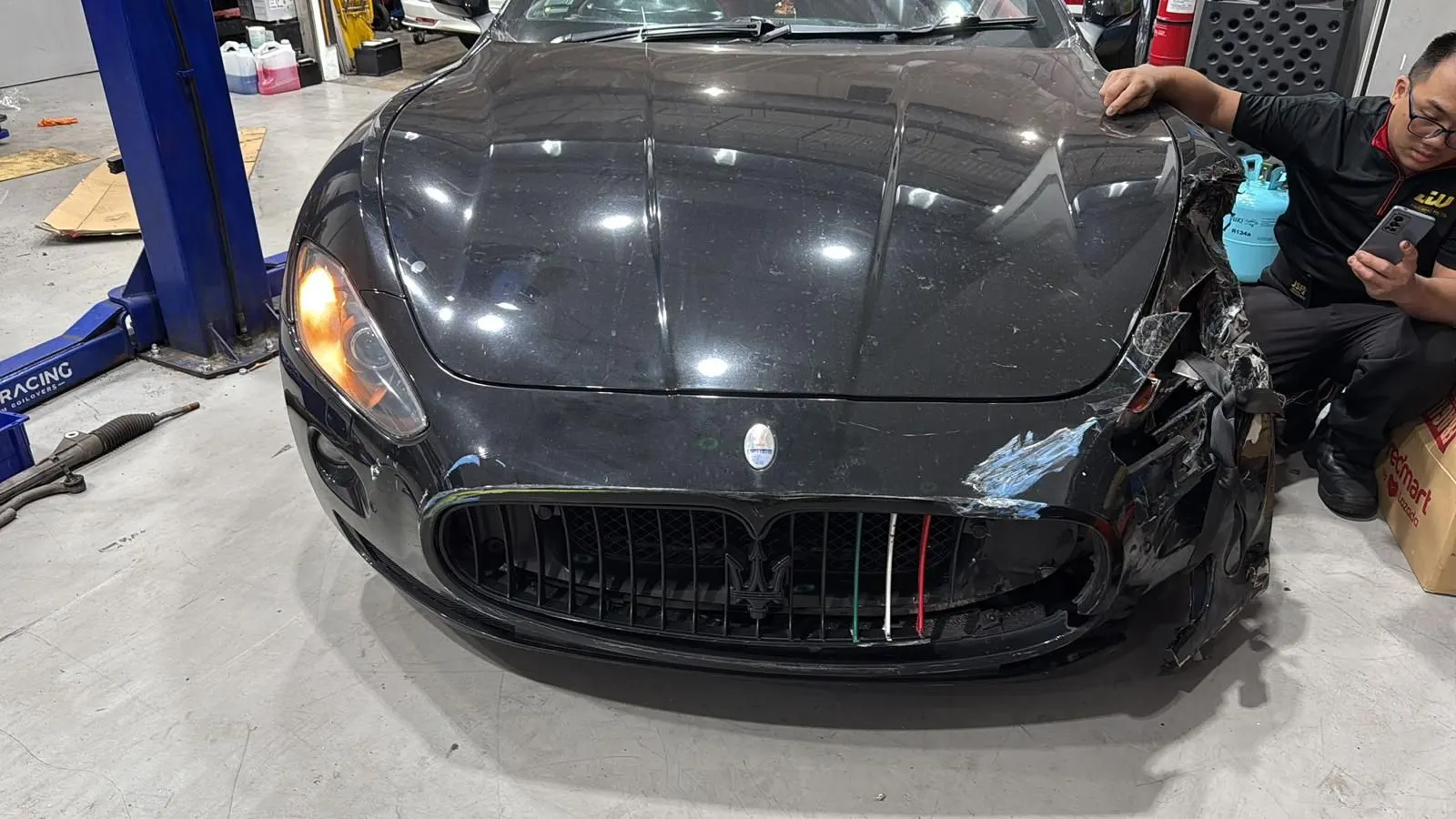
Take wide shots of the scene and tight shots of every damaged panel, wheel, light, and under-bonnet area if the impact was frontal. Capture licence plates, road markings, and anything that shows how the cars were positioned. Insurers and assessors rebuild stories from photos when memories fade.
Note the time, location, weather, and any witnesses. If a delivery rider or another driver saw the impact, a name and number is gold. Do not rely on memory alone by the time you reach a workshop the next day.
Police report, e-Reporting, and when you must file
Singapore requires reporting for many accident scenarios, especially when there are injuries, government property damage, or hit-and-run elements. e-Reporting through the SPF e-Services app is common for minor collisions where vehicles are still drivable and both parties cooperate.
If you are unsure whether a report is needed, file anyway. Insurers often reject or delay claims when the reporting trail is missing. Keep the reference number in the same folder as your photos.
Own-damage, third-party, and private settlement explained plainly
Own-damage means claiming on your policy to fix your car. You pay the policy excess and your insurer handles the repair subject to assessment. Third-party means the other driver's insurer should pay when their driver is liable. The process takes longer but protects you when you were not at fault.
Private settlement is sometimes used for very minor cosmetic knocks when both parties agree on cost and fault. It can be fast, but it only works when the damage is truly minor and both sides keep their word. If you are not confident, route through insurers instead of a handshake deal.
What a proper workshop assessment should give you
Before you authorise repair, a workshop should inspect visible and hidden damage, photograph everything, and give you a written outline of what is bent, cracked, leaking, or unsafe to drive. That document is what you send to your insurer or assessor.
At JW Motoring we focus on honest assessment and claim-path guidance for mechanical and inspection work in our scope. We will tell you plainly if damage needs a specialist body repair route we do not provide, rather than taking the car in and guessing later.
Common mistakes that slow claims down
Driving a car with structural or suspension damage because it still starts. Skipping photos because the dent looks small. Getting a verbal quote with no itemised breakdown. Approving teardown before the insurer confirms coverage. Each of these adds a week you do not need.
Another trap is repairing first and informing the insurer second. Many policies expect notification before major work begins. A quick message to your insurer with photos buys you clarity on excess, assessor visits, and approved repair paths.
How we help at JW Motoring after an accident
Bring your photos, police or e-Reporting reference, and insurer letters if you already have them. We inspect, document, and explain what we can support in our bay versus what should go to another specialist. You leave with a clearer next step instead of a vague wait-and-see.
If the car is safe to drive for assessment, book a slot. If you are unsure, message us with photos first. We would rather tell you to tow than risk a weakened component on the PIE.


