
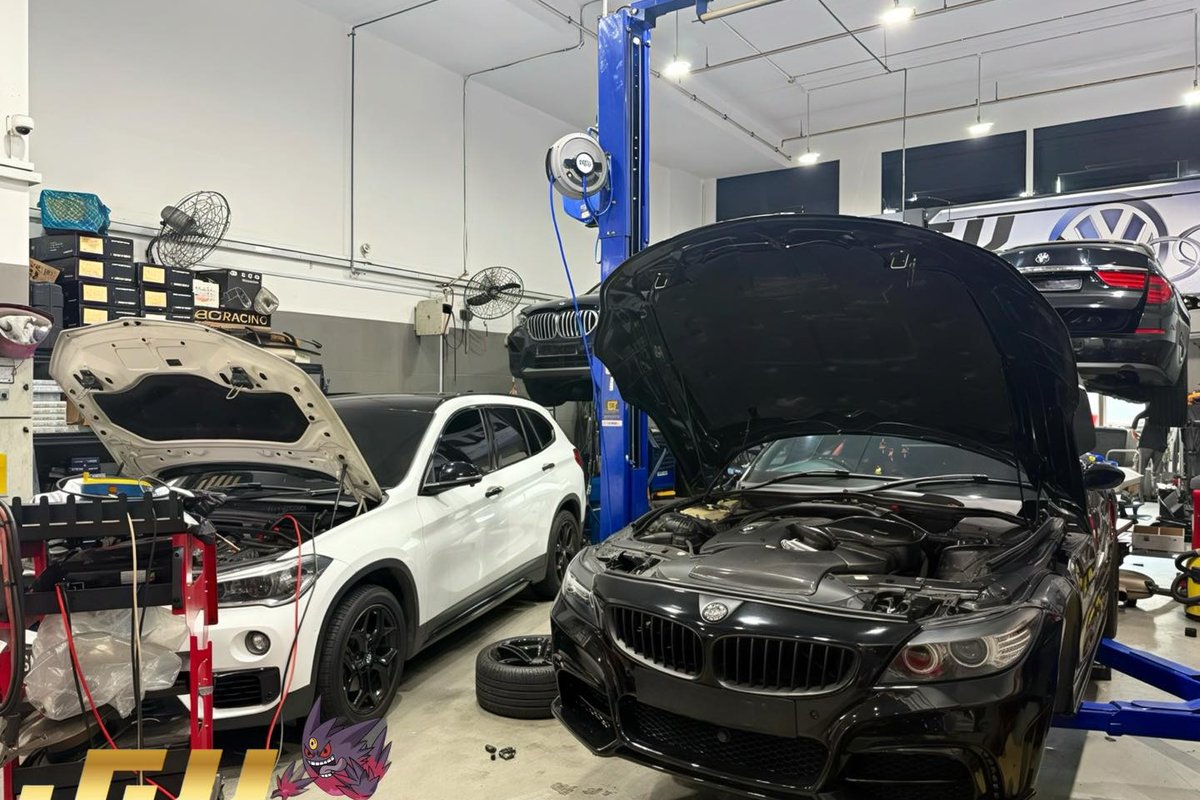
What a pre-purchase inspection actually checks
A proper PPI is a mechanical health check of the car you are about to buy. It covers engine condition, gearbox and transmission behaviour, suspension, brakes, electrical systems, and any diagnostic trouble codes stored in the car's computers. Ideally it happens on a lift, so the underside, leaks, and suspension wear can be seen properly rather than guessed at from above.
Just as important, a good inspection flags the wear items likely to need spending soon after purchase, tyres near the end, a battery on its way out, brakes due, a leak starting. That turns a vague gut feeling about a car into a clear list of what you are really buying.
What a pre-purchase inspection costs in Singapore
At JW Motoring, inspections start from $80. That is the entry point rather than a flat rate, because the work involved genuinely varies from car to car, and we quote the scope before we start rather than after.
What moves the number:
- Make and complexity. High-performance, very new, or unusually complex cars can need more time or specialist checks. We will say so when you enquire rather than after.
- Age. An older car has more wear items worth checking carefully, and more places for a past repair to hide.
- How comprehensive you want the check. The entry scope covers structured checks and a written condition summary. Going deeper takes longer.
Any make is fine, continental, Japanese, or Korean. If there is something unusual about the car, tell us in advance and we will confirm what it needs.
It is worth keeping the figure in proportion. A used car in Singapore is a five-figure commitment, and the problems a PPI is looking for, a tired gearbox, a past accident repair, a flooded history, are four-figure problems. Paying a small inspection fee to avoid one of those is the entire economic argument, and it holds even when the report comes back clean.
How the inspection actually runs, and how long it takes
The process is deliberately simple, because the useful part is the findings rather than the paperwork.
- The car comes to us. You arrange with the seller to bring it to our Kaki Bukit workshop, or tell us the situation and we will advise the most practical option.
- We inspect it properly. Engine health, gearbox behaviour, brakes and suspension, electrical faults, aircon performance, leaks, and signs of prior repair or flooding. We also drive it, because some faults only appear under load.
- We walk you through the findings. Plain English, not workshop jargon: what is healthy, what is borderline, and what is likely to need budget soon.
- You decide. With a written summary in hand you can negotiate on specifics, ask the seller to rectify something before handover, or walk away.
On timing, a PPI typically takes 1 to 2 hours depending on the car, and we give you a time estimate when you book. That is the honest shape of the job: long enough to get the car up, work through the systems properly, and drive it, but not something that ties your week up. If the car is unusually complex, we will tell you it needs longer before you commit rather than after.
Why a clean-looking listing is not enough
A tidy photo set and a smooth ten-minute test drive only reveal so much. Plenty of expensive problems, early gearbox wear, an intermittent electrical fault, past accident repairs, a slow oil or coolant leak, do not show themselves in a short drive around the block. A car can look and feel fine and still be weeks away from a bill in the thousands.
That gap between how a car presents and how it actually is underneath is the whole reason PPIs exist. You are not paying an inspector to admire the paint; you are paying them to look where you cannot and tell you what the seller may not know or may not mention.
PPI vs an evaluation or test drive: what is the difference
People sometimes assume a pre-purchase inspection is the same as a statutory or evaluation check. It is not. A roadworthiness or evaluation inspection focuses on formalities and whether the car meets the required standards. A PPI is buyer-focused: its whole job is to tell you the real mechanical condition and what it will likely cost you soon after you drive away.
It is also different from your own test drive. A test drive tells you how the car feels to you; a PPI tells you what a trained eye and diagnostic tools find under the surface. The two work best together, drive it yourself, then have it inspected before money changes hands.
How inspection findings help you negotiate
A documented findings report is quiet leverage. If the inspection turns up worn brakes, a leaking gasket, or tyres due for replacement, you can ask for a fair price adjustment or request that the seller rectifies the issue before handover. Numbers on paper are far more persuasive than a hopeful haggle.
And even when the report is clean and you still want the car, that is a win too: you buy with confidence instead of crossed fingers, knowing you are not walking into an immediate post-purchase surprise.
Where most buyers go wrong
The most common mistake is rushing the decision on looks and a short drive alone, often because another buyer is supposedly interested and there is pressure to commit today. Hidden mechanical issues are expensive to fix and very difficult to dispute once the car is yours and the money is gone.
The fix is simple: inspect first, then finalise. A seller confident in their car will usually allow a reasonable inspection. Strong resistance to any independent check is itself a piece of information worth paying attention to.
How our pre-purchase inspection works at JW Motoring
When you are considering a used car, message us with the car and the situation and we will tell you the most practical way to get a proper look, ideally with the car on our lift so we can check underneath. We go through engine, gearbox, suspension, brakes, electrical, leaks, and stored fault codes, then give you a straight summary of what is good, what needs attention, and what it is likely to cost. You can see the full scope and current pricing on our pre-purchase inspection service page.
The aim is not to talk you out of every car. It is to make sure you buy with your eyes open. If the car is sound, we will tell you; if it is hiding problems, you will know before you commit, not after.


